

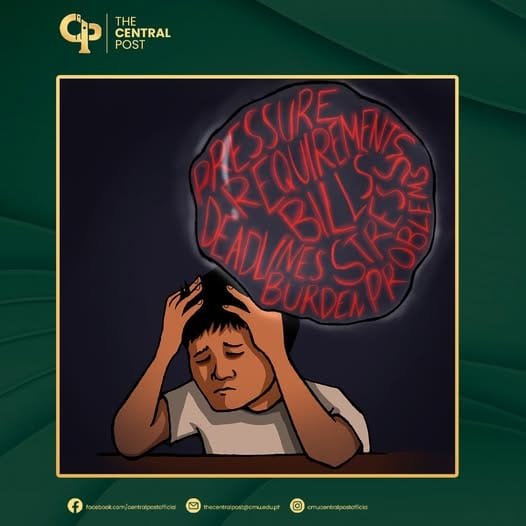
What is Mental Health?
According to the World Health Organization (WHO), mental health is a state of mental well-being that enables people to cope with the stresses of life, realize their abilities, learn and work well, and contribute to their community. It has intrinsic and instrumental value and is a basic human right.
“Kami sa una kay wala man mi’y ing-ana, inyong generation bitaw noh kay sensitive ra kaayo.” One of the many statements we often hear when people start to talk about mental health. It may even be seen as a foreign concept, especially coming from a conservative country where struggles were only met with prayers and toughening up one’s resolve. Their time, or “sa ilang panahon,” was all about building a wall—when they all had to toughen up and work their way, when they met struggles and plowed through. Yet this method has led them to believe that their ways worked best. However, what worked during their time may not work for the present because not all were able to use the method of strengthening their resolve. Struggles now may seem similar to those back in the day but with different variables.
With time running, change begins without waiting for anyone. Before you know it, prices of daily necessities rack up, yet the salary of every hardworking Filipino stays stagnant. Many experience burnout—the exhaustion of mentally calculating the expenses and budget of a household and the work needed for the family to stay afloat. Yet this is something that some of the older part of the population fail to see—the unfair standards where you are expected to do a mountain of work and work overtime, yet only receive minimum pay; instead of a raise in salary, you only receive a “thank you.” They see it as being lazy, but take it from a different perspective.
Another problem that many are dreading is the current weather conditions that the country is facing. A typhoon so strong caused not only damage to houses and the environment but also left scars for those who lost both family members and furry friends. It left invisible wounds of trauma, fear, and the anxiety of not knowing when the next disaster will strike. Families were burdened with rebuilding their homes while juggling lost jobs and disrupted schooling. Students face the challenge of catching up on lessons after weeks of closure, which adds another layer of stress to the already demanding semester.
This repeated cycle of events often showcases the resilience of the Filipino people but drains both emotional and financial strengths, reminding us that mental health is as delicate as the ruined structures—remnants from the storm. What we can do to stop this stigma is encourage people to speak up and open up conversations in schools and workplaces, and with friends and families, to help make mental health be treated like physical health. Learn and educate yourselves about the different mental health issues. Include them in conversations, such as in school and community programs, to dispel myths. Try looking up respected individuals who share their struggles—it helps break the silence, showing that vulnerability is also a strength.
Finding one’s support system is crucial in improving one’s mental health. According to an article by Psychology Today, studies have shown that having a strong sense of community decreases symptoms of depression, anxiety, and stress while fostering emotional resilience. Spending time with nature takes second place in the same article, where immersing oneself in nature’s embrace has been shown to reduce cortisol levels, improve mood, increase creativity, and enhance focus. This might be your sign to take up the challenge of climbing our very own Musuan Peak (Mt. Calayo) or View Deck. Placing in third, exercising regularly isn’t just good for the body—but it’s also good for the mind. As long as you move your body, whether it’s a solo workout or a sport like pickleball, moving your body will also improve your mind. Additionally, writing in a journal helps process emotions and organize your thoughts. Studies have suggested that journaling can reduce stress, improve self-awareness, and boost problem-solving skills. You can start by writing down three things you are grateful for every day.
But if you’d like to help someone, giving them space to talk about their feelings without interrupting or disregarding their experience helps them a lot. Suggest going to counseling, therapy, or medical support when needed. They gain trust when their privacy is respected and they know that their hardships won’t be recklessly disclosed. At the same time, breaking the stigma associated with mental health lessens the embarrassment that many people may experience and helps normalize it in discussions. Help by identifying coping skills that manage their moods and emotions in ways that best meet their needs. And above everything, patience is essential because recovery is not a one-and-done thing—it’s more like a roller coaster full of ups and downs. By showing constant support, even when progress seems slow, you remind those who are struggling that they are not alone.
With the final semester coming near to the end, students who have had sleepless nights just to finish endless requirements, drank caffeinated drinks to stay awake, and fought silent battles behind closed doors remind us all: mental health is a necessity, not a luxury. To stop the stigma, we must learn to speak openly, support one another, and embrace healthier ways of coping. The end of the semester is not just about grades but about recognizing the importance of mental well-being in sustaining us for the challenges ahead.
𝘞𝘳𝘪𝘵𝘵𝘦𝘯 𝘣𝘺: 𝘓𝘶 𝘈𝘷𝘦𝘭𝘪𝘯 𝘈𝘤𝘶ñ𝘢
𝘊𝘰𝘱𝘺𝘳𝘦𝘢𝘥𝘦𝘳: 𝘫𝘢𝘥𝘢𝘮𝘦𝘳𝘴𝘴𝘴
𝘈𝘳𝘵𝘸𝘰𝘳𝘬 𝘣𝘺: 𝘔𝘢𝘤𝘩 𝘓𝘦𝘶𝘷𝘦𝘯 𝘚𝘢𝘯𝘤𝘩𝘦𝘻